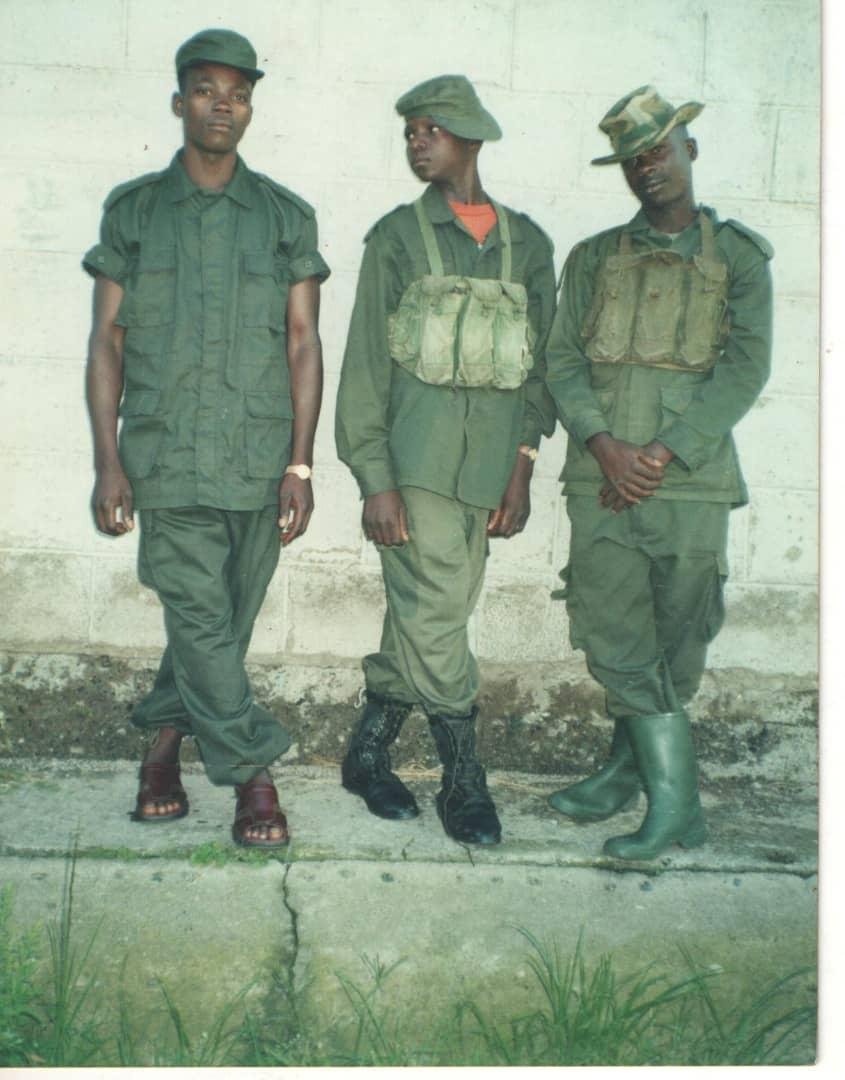
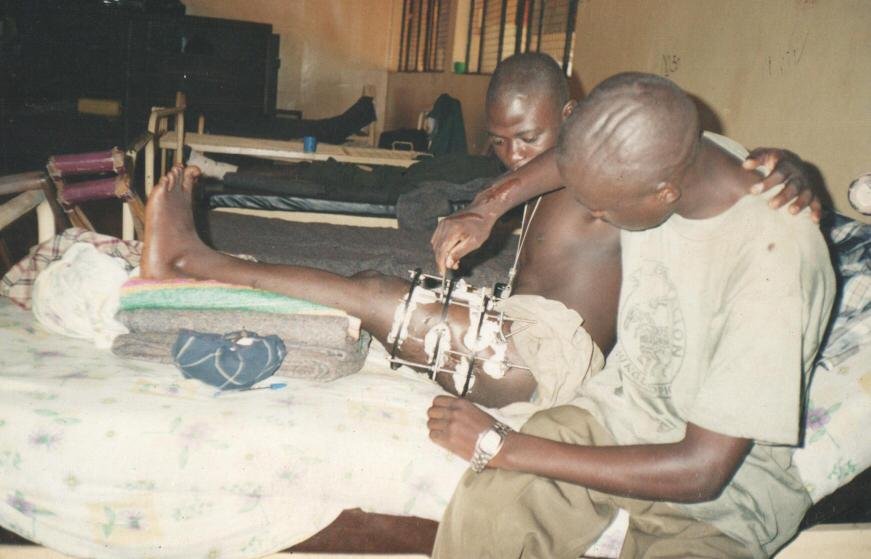
A structured rehabilitation and recovery program for army officers and service personnel living with permanent or long-term injuries sustained in the line of duty.

Injuries such as amputations, mobility impairments, chronic conditions and psychological trauma need sustained, specialised support beyond immediate medical treatment.
WWSI complements and reinforces existing government and military veteran support systems. These systems often have limited capacity, resources and scope for long-term rehabilitation and psychosocial recovery. Through evidence-informed physiotherapy, trauma-informed training, peer mentorship and reintegration support, we help wounded service members regain function, resilience and quality of life.
Five connected program components that restore physical mobility, psychological resilience and social reintegration.
Professional physiotherapy, mobility and strength training, pain management and assistive device training.
Trauma-informed group and individual sessions, coping strategies for loss and change, and resilience building.
Peer-led recovery groups and mentorship from rehabilitated wounded officers, in safe spaces for sharing.
Rebuilding confidence and self-worth, adaptive life skills, and leadership and purpose workshops.
Referral and coordination with military and government health services, plus policy dialogue on long-term care.
WWSI is not built as charity. It is a structured recovery and capacity-restoration mechanism for those who have served.
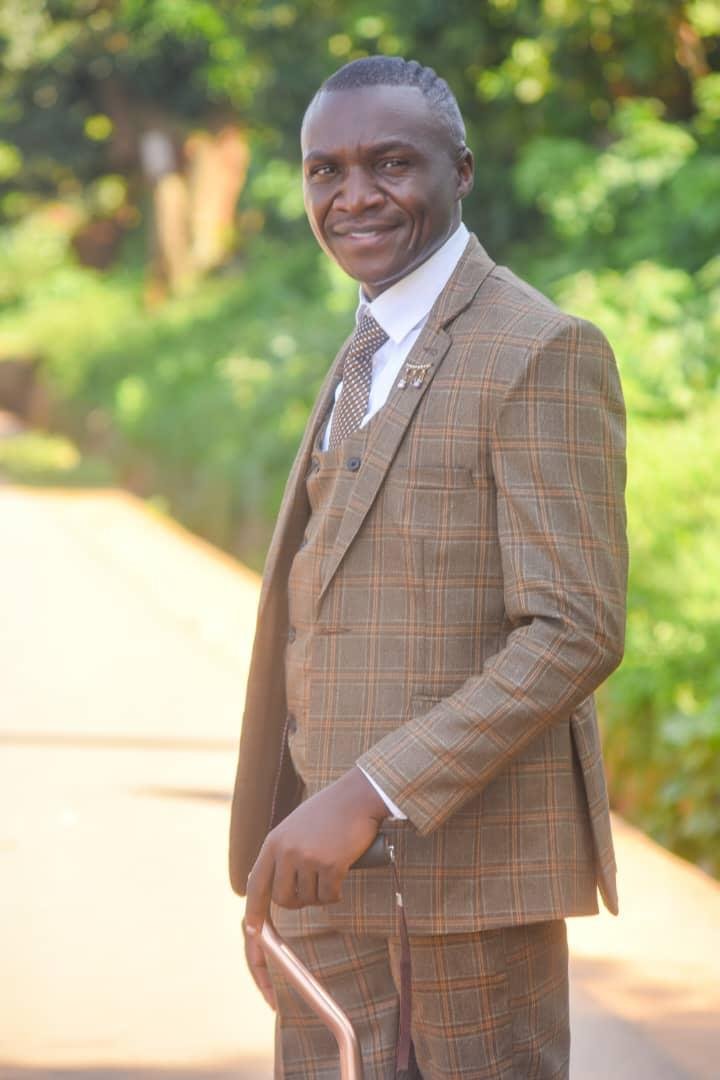
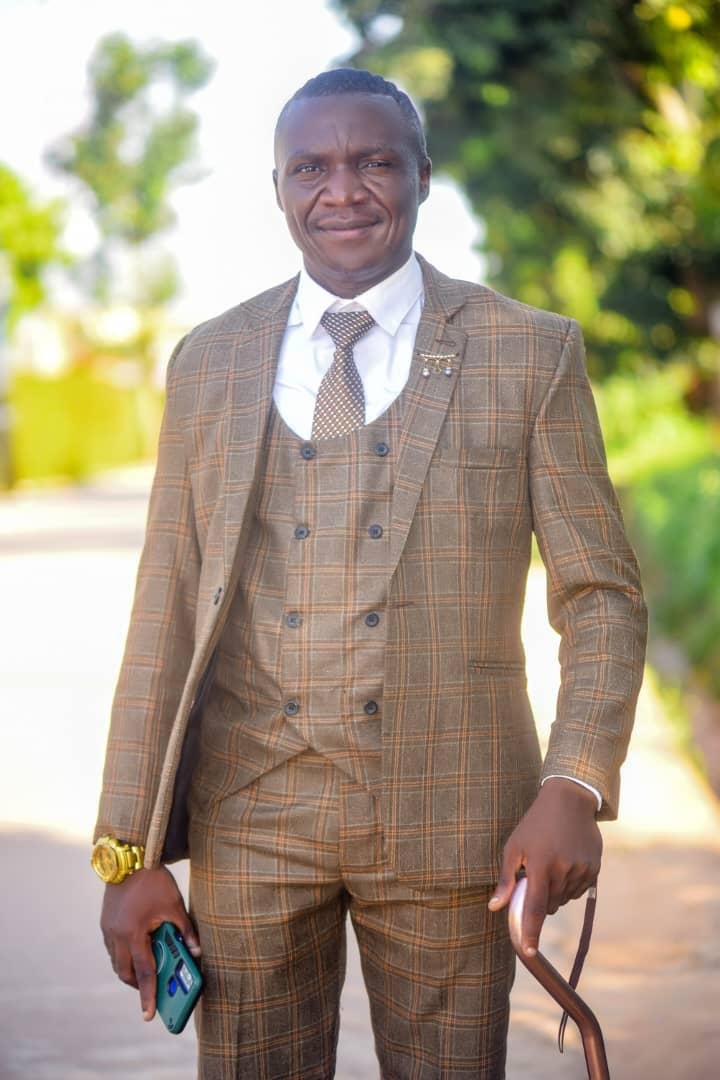
The founder lost a limb to a combat injury sustained during an active mission. That experience showed first-hand where long-term rehabilitation, psychosocial support and reintegration services fall short, and why peer support restores dignity and hope.
Governments provide basic medical care and compensation, but many wounded officers still struggle once acute treatment ends.
Without holistic rehabilitation, wounded officers risk long-term suffering, dependency and marginalisation, despite having served their nations with honour.
See the Gaps We AddressLittle access to long-term physiotherapy once officers leave hospital.
Inadequate trauma and mental health support.
Social isolation and the difficulty of adapting to life after injury.
Less economic independence and a weaker sense of purpose.
We invite military foundations, international NGOs, governments and development partners to help deliver a five-year rehabilitation program for those injured in service.