Restoring dignity, mobility and purpose to those injured in service Contact Us| Partner With Us
Background & Problem Statement

Military service demands sacrifice

For many officers, that sacrifice is a permanent injury sustained in the line of duty.

Governments provide basic medical care and compensation, but many wounded officers still face:

  • Limited access to long-term physiotherapy and rehabilitation
  • Inadequate trauma and mental health support
  • Social isolation and loss of identity
  • Difficulty adapting to life after injury
  • Reduced economic independence and purpose

Without holistic rehabilitation, wounded officers risk long-term suffering, dependency and marginalisation, despite having served their nations with honour.

A wounded officer in a wheelchair during recovery
Officers during active service
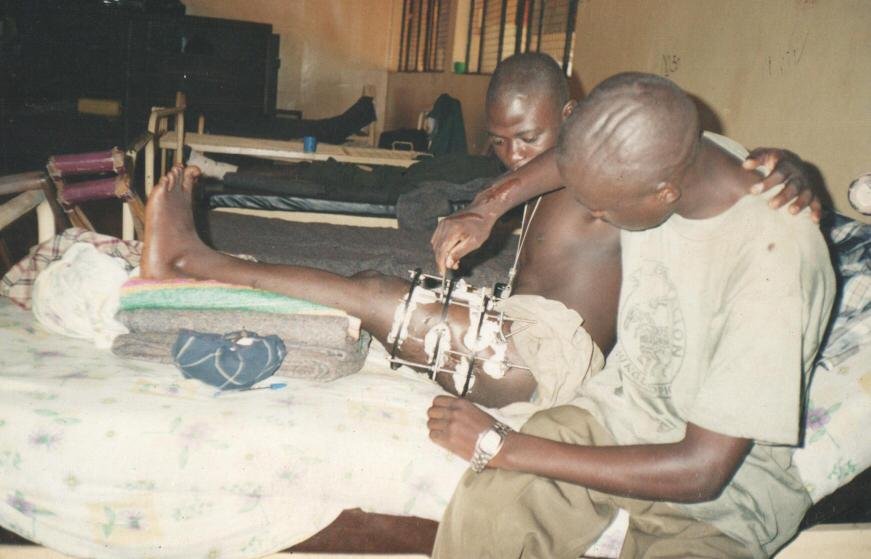
Recovery after a leg injury

Our Vision

A resilient and inclusive society where wounded military personnel achieve optimal recovery, dignity and meaningful reintegration after service-related injury.

Our Mission

To deliver structured rehabilitation, psychosocial recovery and peer-based reintegration support that enhances the functional capacity, resilience and long-term well-being of wounded army officers, in line with national and international veteran-support frameworks.

To restore the physical mobility, psychological resilience and social reintegration of wounded army officers through comprehensive rehabilitation, trauma-informed training and peer-based support systems.

Purpose of the Project

Strengthening the continuum of care

WWSI meets rehabilitation and recovery needs that extend beyond acute medical treatment.

The initiative closes gaps in existing services with sustainable, scalable and professionally delivered support that aligns with government and military rehabilitation objectives.

Overall Objective

To improve the quality of life, independence and emotional well-being of wounded army officers over a five-year period.

Specific Objectives
01

Provide structured physiotherapy and physical rehabilitation support to wounded officers

02

Deliver trauma-informed psychosocial training that addresses pain, loss and post-injury identity

03

Build peer-support networks led by fellow wounded warriors

04

Enhance coping skills, resilience and mental well-being

05

Support reintegration into family, community and productive life

06

Complement and strengthen existing government rehabilitation efforts

Government Efforts & Existing Gaps

We complement government systems and do not replace them

Government and military support is critical and commendable. WWSI fills the gaps that remain and strengthens the overall continuum of care.

What governments typically provide

  • Emergency and surgical medical care
  • Disability assessments and pensions
  • Military hospital rehabilitation units
  • Veteran welfare offices

Gaps WWSI directly addresses

  • Continuity of rehabilitation after discharge
  • Trauma-informed psychosocial recovery
  • Peer mentorship by fellow wounded officers
  • Community and family reintegration support
  • Holistic, dignity-based recovery models
Governance & Leadership

Accountable structure, ethical leadership

A clear governance model provides strategic oversight, fiduciary responsibility and professional program delivery.

Board of Directors
Strategic oversight · Fiduciary responsibility · Policy & compliance · Institutional partnerships
Management Team
Program Director
Rehabilitation Coordinator
Psychosocial Lead
Monitoring & Evaluation Officer
Finance & Administration Officer
Advisory Committees
Medical Advisory Panel
Veteran & Survivor Advisory Group