01
Physiotherapy & Physical Rehabilitation
Evidence-informed physical care that continues long after discharge from hospital.
- Professional physiotherapy sessions
- Mobility and strength training
- Pain management techniques
- Adaptive movement and assistive device training
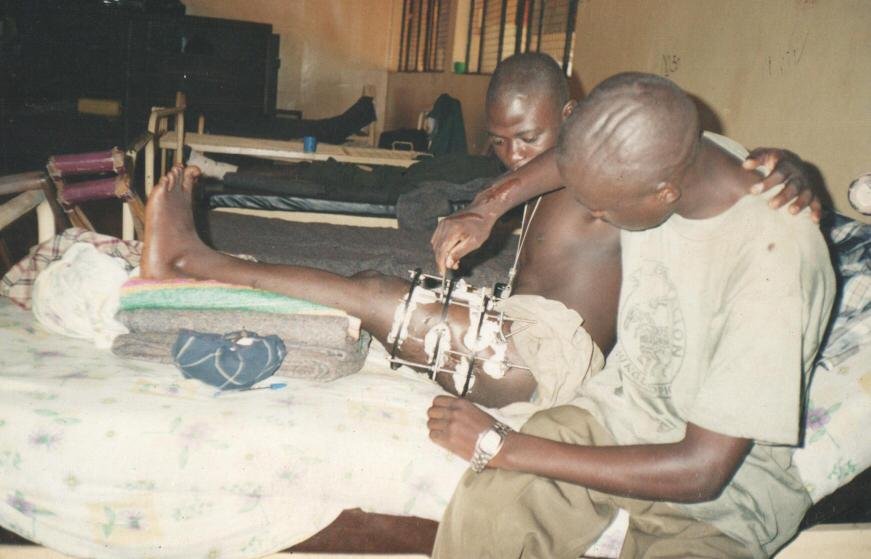
Recovery begins with consistent, professional rehabilitation.
02
Trauma & Psychosocial Support Training
Healing the invisible wounds of service through trauma-informed care.
- Trauma-informed group and individual sessions
- Coping strategies for loss, pain and change
- Emotional resilience and stress management

Addressing pain, loss and post-injury identity.
03
Peer Support & Mentorship
No one understands a wounded warrior like another wounded warrior.
- Peer-led recovery groups
- Mentorship by rehabilitated wounded officers
- Safe spaces for sharing experiences and encouragement

Visiting and supporting the injured in hospital.
04
Capacity Building & Life Skills
Restoring confidence, independence and a renewed sense of purpose.
- Rebuilding confidence and self-worth
- Adaptive life skills training
- Leadership and purpose redefinition workshops

Life after injury can be full of purpose and leadership.
05
Advocacy & Complementarity with Government Programs
Working alongside existing systems to strengthen long-term care.
- Referral and coordination with military and government health services
- Policy dialogue and awareness on long-term wounded warrior care
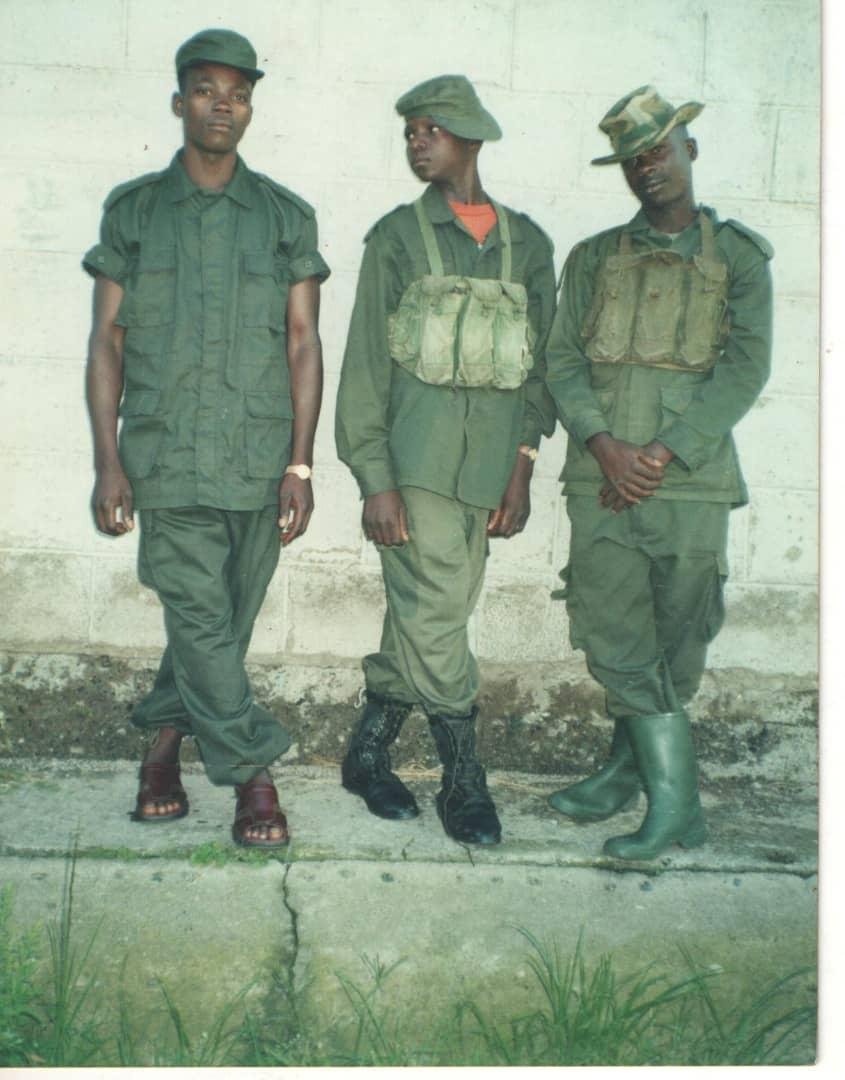
Honouring service through partnership with institutions.